



Is Minister Kessany being disavowed by the IOC?
Regarding the suspension of the electoral process for the president of the National Olympic Committee, a standoff seems to be emerging between the Ministry of Sports and the IOC authorities.
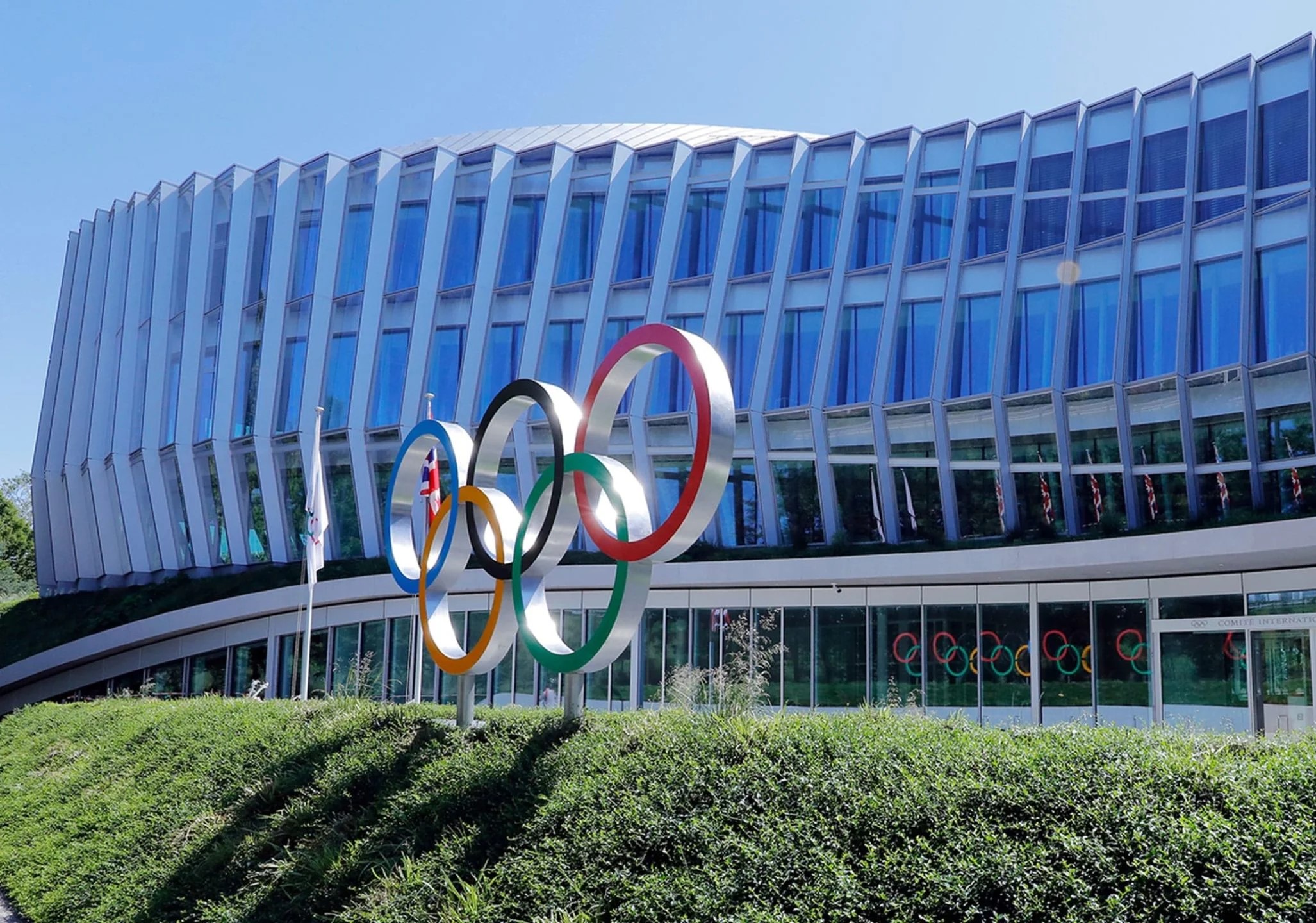
T he International Olympic Committee (IOC) has reportedly issued a firm refusal regarding the postponement of the elective assembly of the Gabon National Olympic Committee, stating that no objective reason justified the interruption of the process and that a delay would unjustifiably extend the mandate of the current leadership, in contradiction with the Olympic Charter.

The institution has also mandated an observer, along with the ANOCA, to oversee the ballot, which strengthens the normative scope of its decision. Institutional Impact This counter-decision weakens the ability of the Gabonese Ministry of Sports to impose an electoral calendar on structures recognized by the Olympic movement. Above all, it reaffirms the principle of autonomy for National Olympic Committees in the face of state administrative interventions. In this type of conflict, the primary risk is an escalation toward a broader dispute between national sovereignty and international obligations.
Possible Implications In practice, maintaining the ballot reduces the Minister’s room for maneuver to block the election unilaterally. Should he persist in a suspension not reconciled with the IOC, Gabon would face a deterioration of its relationship with the Olympic body, with a risk of disciplinary measures affecting the national sporting ecosystem. The signal sent is also political: the IOC is reminding stakeholders that it is closely monitoring any attempt at interference in the elective governance of the CNOG.
Options for the Minister The first option consists of engaging in a regularization negotiation with the CNOG and Olympic partners in order to oversee the ballot without requesting its postponement. The second is to formulate specific, documented, and limited administrative grievances, instead of a general suspension, to avoid a direct confrontation with the Olympic Charter. The third, more cautious approach, is to focus on a post-election review of alleged irregularities through the appropriate legal or administrative channels, without immediately disrupting the electoral calendar.
Technical Review From a technical standpoint, this file illustrates a hierarchy of norms in which the rules of the Olympic movement take precedence—for bodies recognized by the IOC—over an internal ministerial decision when it is perceived as hindering electoral autonomy. The best compromise for Libreville would therefore be an exit based on procedural compliance, rather than an institutional standoff.