



Gabon Goes Electric: 50 Ndzela Taxis Enter Service
An experimental initiative to modernize urban transport and reduce the environmental footprint.
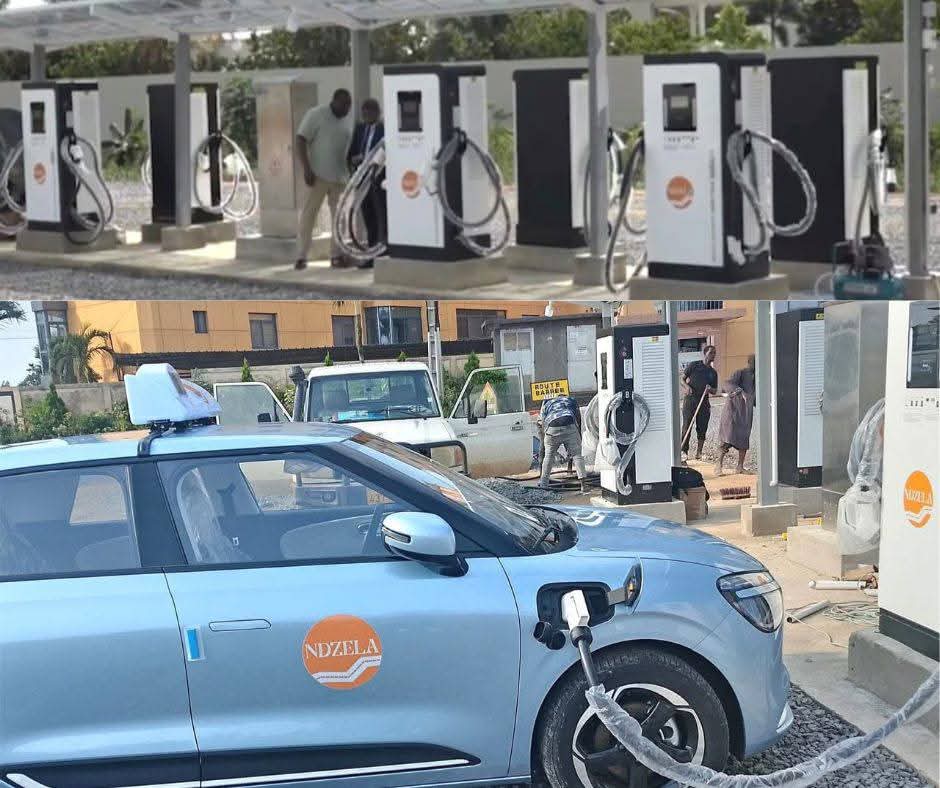
G abon is taking a major step forward in the modernization of its urban transport with the official handover of 50 Ndzela electric taxis to Gabonese beneficiaries. This operation marks the effective launch of a pilot project aimed at promoting cleaner, more modern, and environmentally friendly mobility.

Part of the national energy transition policy, the Ndzela project aims to reduce the carbon footprint of the transport sector, one of the largest polluters in urban areas. The introduction of electric vehicles will specifically limit greenhouse gas emissions, reduce dependence on fossil fuels, and improve air quality in the country's major cities.
Beyond the environmental stakes, this initiative places a particular emphasis on local entrepreneurship and economic inclusion. Reserved exclusively for Gabonese citizens, the program offers selected drivers the opportunity to become true economic players. They receive administrative and financial support designed to ensure the viability and sustainability of their business.
The project is based on a structured economic model, with a financing mechanism adapted to the repayment capacities of the beneficiaries. This approach aims to secure taxi operations while ensuring the long-term sustainability of the program.
The rollout of these 50 electric taxis constitutes a strategic experimental phase. It will allow for the evaluation of the vehicles' technical performance, their adaptation to urban traffic realities, and user adoption. The lessons learned from this phase will serve as a basis for a progressive expansion of the project, with the ambition of deploying several hundred electric taxis nationwide.
The expected benefits are manifold: job creation, modernization of public transport, improvement of the urban living environment, and strengthening Gabon's image as a country committed to energy transition. Ultimately, the Ndzela project could serve as a reference model for other cities across the country.

With this initiative, Gabon is laying the foundations for sustainable urban mobility, balancing environmental imperatives, economic development, and social inclusion.