



Gabon: The End of Impunity for "Merchants of Misery"
Between judicial firmness and social protection, the Gabonese legislator toughens sanctions against voluntary idleness and mafia networks.
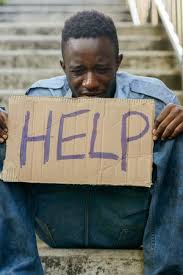
F aced with rising urban precariousness, Gabon is strengthening its criminal arsenal. Henceforth, vagrancy and the exploitation of minors carry heavy sanctions in order to sustainably clean up the national public space.

Vagrancy Now Under the Yoke of the Law : The Gabonese Penal Code is shedding light on a gray area that has long been tolerated. Article 196 now defines vagrancy as a voluntary state of inactivity in any able-bodied person without a home or means of subsistence. This legal classification transforms aimless wandering into a characterized offense. The legislator seeks here to hold work-capable citizens accountable, while providing for reintegration mechanisms through strictly supervised community service.
The Systematic Crackdown on Fraudulent Begging : The integrity of the public space relies on the sincerity of vulnerability. Article 197 frontally attacks the usurpation of disability. Simulating a handicap to solicit charity is now equated with vagrancy, exposing offenders to firm prison sentences. This provision aims to sanitize social aid by distinguishing the truly indigent from fraudulent actors, ensuring that national solidarity is no longer diverted by trickery.
The Exploitation of Minors: An Absolute Red Line : The legislative framework reaches its peak of severity regarding child protection. Exploiting the distress of a minor for the purposes of begging constitutes a social crime that the Republic no longer tolerates. With fines reaching up to five million CFA francs, the law hits the pockets of organized networks. The absolute priority remains safeguarding the physical and moral integrity of children, who are the collateral victims of forced indigence.
A Delicate Balance Between Repression and Reintegration : This new Title XIV of the Penal Code does not merely seek to punish; it aims to regulate. While the threat of six months in prison looms over repeat offenders, the spirit of the law leaves a door open to dignity through effort. By offering penal alternatives, Gabon hopes to transform this judicial pressure into a lever for behavioral change, necessary to stabilize a social fabric weakened by rapid urbanization.
In conclusion, this legal reform marks a decisive turning point in the management of public order in Gabon. By criminalizing the exploitation of the most vulnerable and regulating vagrancy, the State reaffirms its sovereignty over the social space. It is a strong signal: poverty must no longer serve as a screen for illegality or abuse.