



Central Africa: Faced with the risk of devaluation, the IMF convenes a conference of CEMAC Heads of State.
Under the threat of a devaluation of the CFA franc, notably due to declining foreign exchange reserves and the over-indebtedness of certain CEMAC countries, the IMF intends to place the sub-region’s states under a structural adjustment program.
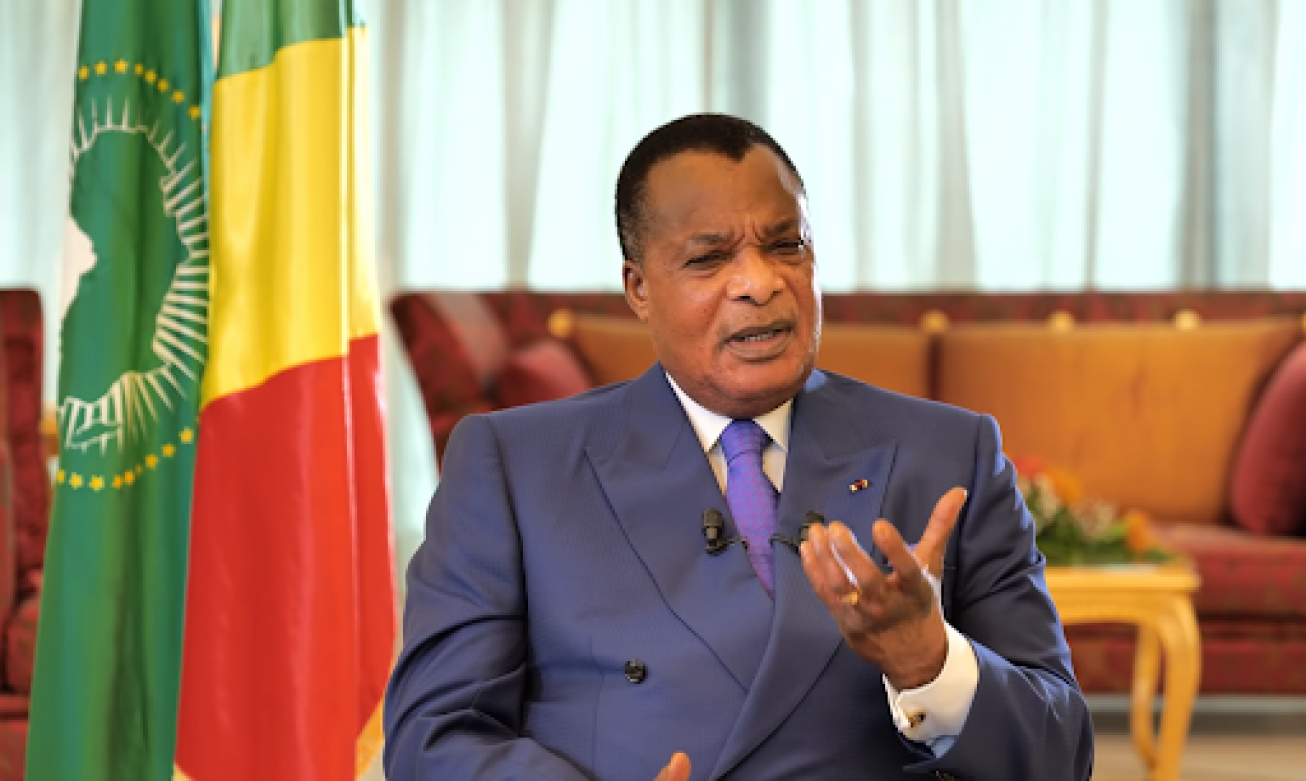
T he extraordinary session of the CEMAC Heads of State Conference, to be held on January 22, 2026 in Brazzaville, comes at a critical juncture characterized by a projected slowdown in growth to 2.4% in 2025 from 2.7% in 2024, mounting fiscal pressures, a decline in the monetary coverage ratio from 74.9% to 67% in 2025 reflecting the erosion of foreign reserves, and excessive sovereign indebtedness across the zone, despite inflation stabilizing at 2.7%. Following a preparatory videoconference of the UMAC Ministerial Committee, the Brazzaville summit will focus on assessing the economic, financial and monetary situation and on defining urgent measures to address regional challenges. This article examines the key strategic stakes of the summit in light of recent developments in the sub-region.

Tense Economic Context: The foreign exchange reserves of the CEMAC zone continue to erode, exacerbated by unregulated imports and electoral expenditures in foreign currencies, notably the acquisition of campaign equipment from Chinese suppliers. Although BEAC and IMF forecasts suggest import coverage of approximately 4.25 months by end-2025, the risk of a monetary shock remains imminent in the first quarter of 2026, with potential threats to the convertibility of the CFA franc tied to the operations account at the French Treasury. The economic reforms advocated by the IMF and reaffirmed during the Yaoundé summits of 2019 and 2024 are advancing at a slow pace, with only one of the six member states fully engaged.
Endettement souverain alarmant : Le Congo et le Gabon figurent parmi les plus endettés, avec des ratios dépassant 70% du PIB, bien au-delà des normes de convergence communautaire de la CEMAC. Au Congo, les dettes envers la BEAC et les banques locales sont critiques, l’État imposant aux établissements de crédit une participation forcée au paiement des salaires des fonctionnaires, tandis qu’une mission de la COBAC est en cours à Brazzaville pour évaluer la situation. La Guinée Équatoriale et le Tchad affichent des baisses budgétaires respectives de 8% et 6% pour 2026, signalant une contraction des ressources publiques dans un contexte de volatilité des prix des hydrocarbures.
Alarming Sovereign Debt: Congo and Gabon are among the most heavily indebted countries, with debt-to-GDP ratios surpassing 70%, well above CEMAC’s convergence thresholds. In Congo, liabilities to BEAC and domestic banks have reached critical levels, prompting the State to compel financial institutions to participate in the payment of civil service salaries. A COBAC mission is currently in Brazzaville to evaluate the situation. Meanwhile, Equatorial Guinea and Chad project budgetary contractions of 8% and 6% respectively for 2026, reflecting shrinking public revenues amid hydrocarbon price volatility.
Strategic Stakes of the Brazzaville Summit: Convened by the Congolese President Denis Sassou Nguesso in his role as current chair, this extraordinary summit may represent a last warning before a major crisis, including the possible devaluation of the CFA franc or the imposition of drastic monetary restrictions. Heads of State must give priority to the effective enforcement of the Economic and Financial Reform Program (PREF-CEMAC), to diversifying economies beyond hydrocarbons, and to instituting strict controls on foreign currency outflows in order to preserve reserves. Absent decisive measures, the sub-region faces mounting instability with serious repercussions for growth, inflation, and investor confidence.