



Gabon-China: Towards a Total Customs Duty Exemption—A Strategic Opportunity for the Gabonese Economy
Between a Lever for Diversification and a Sovereignty Challenge: The Stakes of a Strengthened Trade Partnership with the Middle Kingdom.
" Without these adjustments [strengthening productive and logistical capacities], the removal of duties will not necessarily translate into significant economic gains."

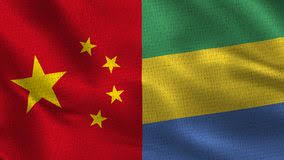
During the Chinese New Year celebrations, the Ambassador of the Republic of China to Gabon, Zhou Ping, confirmed the imminent total removal of customs duties on Gabonese products entering Chinese territory. If materialized, this decision would represent a major milestone for trade between the two countries, with deep strategic implications for the Gabonese economy.
Opportunities and Advantages: The removal of customs duties will enhance the competitiveness of Gabonese products in the Chinese market. By reducing the entry cost of Gabonese exports, this measure is expected to significantly increase trade volumes. Priority sectors, such as natural resources (minerals, timber), agribusiness, and manufactured goods, will benefit directly from this tax relief.
This change also encourages economic diversification. Currently heavily dependent on raw materials, the Gabonese economy could see an expansion of its exports with higher value-added products, particularly in the food industry or the primary processing of raw materials. Strengthened economic proximity to China offers a lever to attract more Chinese foreign direct investment into local infrastructure and industry.
Finally, this exemption could foster technology transfer and a more sustained bilateral industrial partnership. China, already very active in Gabon, could intensify its investments by supporting the upscaling of exported Gabonese products.
Threats and Risks : However, this measure is not without risks. Firstly, increased dependence on China exposes the Gabonese economy to fluctuations in Chinese demand and geopolitical hazards. Excessive orientation toward a single market can weaken the economy if China modifies its trade policy.

Secondly, Chinese competition in the Gabonese domestic market could intensify. Lowering trade barriers for Chinese imports—if it accompanies the removal of duties on Gabonese exports—could threaten local industrial and artisanal development by flooding the market with low-cost products.
Thirdly, this exemption could increase the trade imbalance if the growth of Chinese imports outpaces the growth of Gabonese exports, negatively impacting the trade balance and foreign exchange reserves.
Ultimately, to take advantage of this opportunity, Gabon must strengthen its productive capacities, improve product quality, and optimize its logistics chains. Without these adjustments, the removal of duties will not necessarily translate into significant economic gains.
In conclusion, the decision by the People's Republic of China to fully exempt Gabonese products from customs duties represents a major strategic opportunity. This measure can catalyze economic diversification, strengthen export competitiveness, and energize bilateral cooperation. However, it requires rigorous management of risks related to economic dependence and increased competition. Gabon must capitalize on this window of opportunity to consolidate its industrial fabric and optimize its trade strategy to ensure sustainable and balanced development.