



The Paramilitary Status of Customs: Turning Customs into a Pillar of Gabonese Sovereignty
These reforms aim to professionalize the Corps to improve revenue mobilization and the fight against fraud.
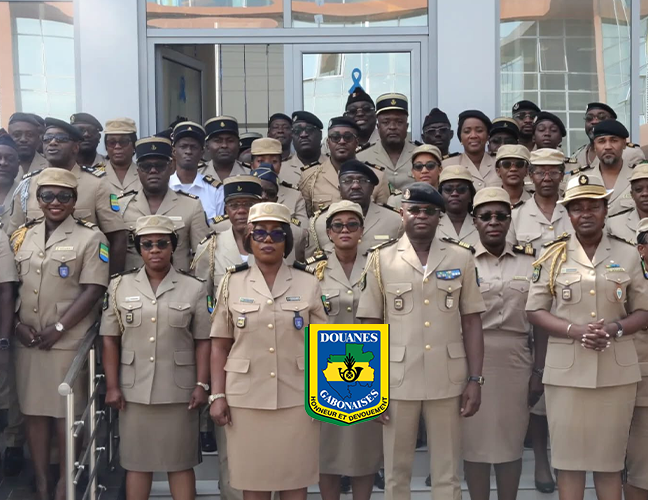
G abon is strengthening the paramilitary status of its Customs through two major legislative texts: a draft ordinance on the specific status of personnel and a draft decree on their duties and organization. Placed under the direct authority of the President, Supreme Commander of the Defense and Security Forces, these reforms aim to professionalize the Corps to ensure better revenue mobilization and a more effective fight against fraud.

In terms of human resources, some customs officers believe that the military has long sought to infiltrate the customs service to access the bonuses and other benefits associated with the customs profession. Specifically, they aim to appoint high-ranking military officers to lead the customs institution or to integrate military intelligence agents into the customs sector.
Here is the translation of this technical and financial analysis into English: "From a technical standpoint, some military officials argue that the customs corps is underperforming and would gain rigor and efficiency through a paramilitary status. On the financial front, the customs budget lines related to bonuses and other emoluments will now be transferred to and managed by the Special Treasury of the Presidency of the Republic and the Armed Forces. In other words, the financial management of customs will be brought under military-style control ('corporalized'), and other military branches may eventually and legitimately demand the same rights.
Expected Benefits of the Reform Increased Operational Efficiency: Establishing a clear paramilitary status and a reinforced hierarchy will foster strict discipline and specialized training. This administrative autonomy ensures optimal coordination with other national security forces. Enhanced Economic Security: By expanding mandates to include the fight against smuggling, money laundering, and terrorism, the reform secures national borders and significantly boosts public revenue essential for state operations. Human Capital Development: Improved social rights, merit-based career advancement, and robust social protections are designed to increase agent motivation, thereby reducing corruption risks and maximizing productivity.
Potential Drawbacks Risk of Abuse of Power: Financial autonomy combined with the authorization to carry arms could lead to excesses, such as extortion or excessive repression, if reinforced civilian oversight is not implemented. High Costs: Paramilitary integration entails expensive salaries, equipment, and training, placing a significant burden on an already strained national budget. Internal Resistance: Shifts in hierarchy and disciplinary standards risk generating tension within the customs service or with other government administrations, potentially hindering the implementation of the reform.
These reforms, if properly regulated, could transform the Customs into a pillar of Gabonese sovereignty; however, they require increased vigilance to strike a balance between efficiency and fundamental rights.