



Fitch Ratings has downgraded Gabon’s sovereign credit rating to CCC-, citing the country as facing ‘substantial credit risk’ with a ‘very concerning’ solvency outlook.
Fitch Downgrades Gabon’s Rating: Analysis Criticized for Overlooking Structural Reforms
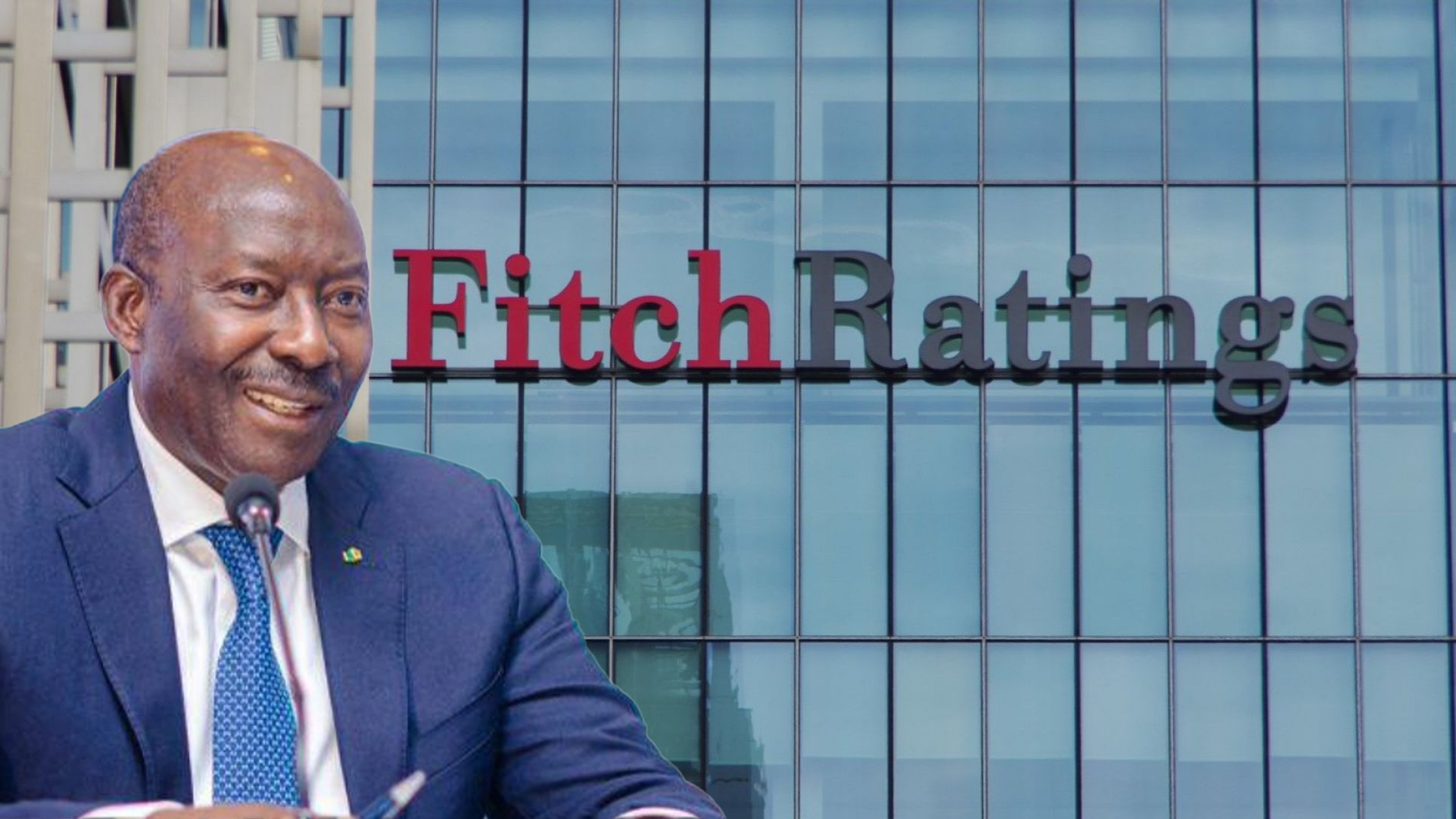
L ibreville, December 20, 2025 – Fitch Ratings has once again struck hard by downgrading Gabon’s sovereign credit rating to CCC-, placing the country among those facing “substantial credit risk” with a “very concerning” solvency outlook. According to Fitch, public debt is projected to climb to 86.6% of GDP over the 2023–2027 period, far exceeding the 70% threshold set by CEMAC, while the budget deficit is expected to widen from 1.3% to 2.3% of GDP and growth remain limited at 2.7%. Stable inflation at 1.7%, net external debt at 25% of GDP, and foreign direct investment capped at 4.1% complete this bleak picture, threatening “deteriorating fiscal flexibility,” payment arrears, and a heightened risk of default—potentially to be addressed through recourse to the IMF.

This alarmist outlook conceals a far more nuanced reality, revealing a partisan analysis that sweeps aside the ambitious reforms implemented by the Gabonese government under the leadership of President Brice Clotaire Oligui Nguema. Reforms Ignored by Fitch: An Economy in Diversification Fitch deliberately overlooks Gabon’s concrete progress. Since 2023, the country has launched an economic diversification plan through the Gabonese Sovereign Fund (FSG), channeling oil revenues into agriculture, mining, and renewable energy. Manganese production surged by 20% in 2025, while investments in sustainable timber and agro‑industry could lift real growth to 4–5%, well above the 2.7% underestimated by the agency. The 2026 Finance Law, approved by Parliament, explicitly integrates these dynamics with an optimistic growth forecast of 6.2%, supported by Sino‑African and European partnerships. Stable inflation at 1.7%—an achievement in a global inflationary context—stems from monetary reforms aligned with the BEAC, rather than structural weakness. As for FDI, Fitch’s ceiling of 4.1% ignores the €1.2 billion investment announced by TotalEnergies in gas exploitation and Qatari commitments in infrastructure.
An Out‑of‑Touch Charge to Impose IMF Adjustment? Fitch predicts “negative debt sustainability” and an inability to mobilize regional financing, pointing to an inevitable recourse to the IMF. This liberal orthodoxy, recurrent among rating agencies, raises the question: is the aim to force Gabon into signing a structural adjustment program? Historically, such plans have imposed drastic budget cuts, forced privatizations, and austerity measures that impoverished entire populations across Africa without resolving deep‑seated imbalances. The Gabonese government, through proactive management—cutting non‑essential spending by 15% in 2025 and renegotiating bilateral debts—demonstrates resilience that Fitch chooses to ignore. The BEAC’s foreign exchange reserves, solid at five months of imports, provide a regional safety net that the agency downplays. This accusatory rating targets the Gabonese people, sovereign in their choices, in an attempt to subject them to external tutelage.
Towards an Assertive Economic Sovereignty Gabon is not a hopeless case, but a state in transition toward a resilient post‑oil economy. Fitch, captive to its neoliberal biases, delivers an out‑of‑touch analysis that favors speculators at the expense of emerging nations. Libreville must persevere in its reforms, mobilize alternative partners (China, Russia, South Africa), and challenge these Western oracles with tangible results. The Gabonese people deserve more than a sentence pronounced in London: they merit recognition of their ascending trajectory.