



The Scourge of Early Adolescent Pregnancies Persists
Early Pregnancies in Gabonese Schools: A Scourge Sacrificing Girls' Futures
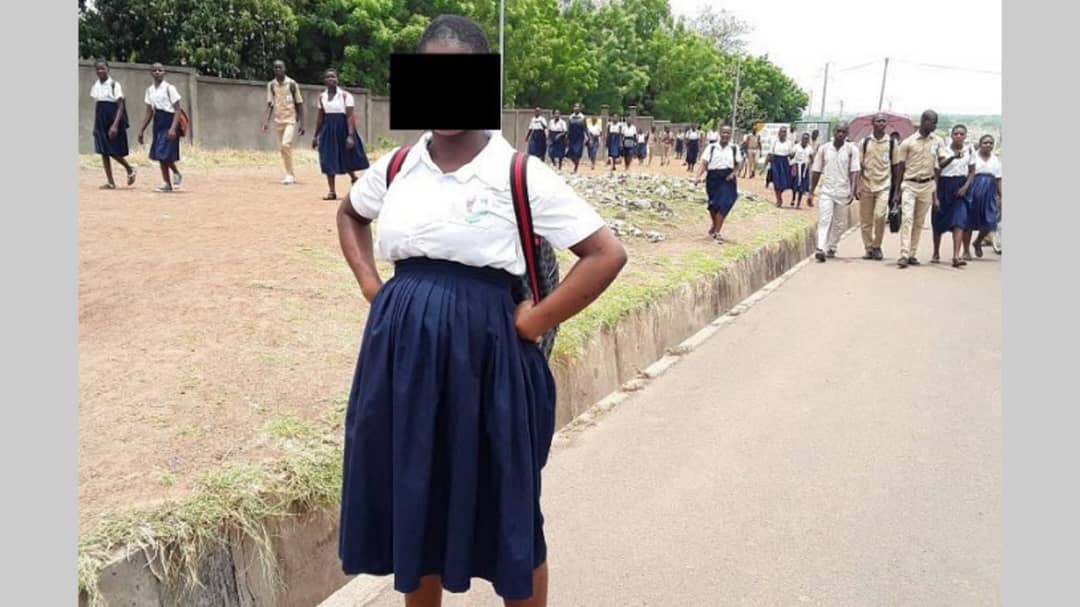
E arly pregnancies among Gabonese adolescents remain high and constitute a major obstacle to the schooling and health of young girls. Despite specific actions carried out by the government and partners (UNFPA, UNICEF), the phenomenon persists, fueled by a lack of comprehensive sexuality education, sexual violence, and shortcomings in the educational support provided to pregnant girls. This text compiles the main known statistics and the measures undertaken to curb the trend.

Statistics reflect the scale of the problem : Approximately 28% of girls aged 15 to 19 have already begun their reproductive life (23% have already had at least one child and 5% were pregnant at the time of the survey). Furthermore, a significant proportion of young girls had their first sexual intercourse very early: 16.8% before the age of 15, 21.9% at age 15, and 68% at age 18, according to national studies and partner agency reports. The adolescent fertility rate remains high (in the range of 90–115 births per 1,000 girls depending on the sources and periods examined). These figures reflect not only early sexual practices but also deficiencies in access to contraception, prevention of sexual violence, and appropriate information.
Faced with this situation : He Gabonese State and its partners have multiplied targeted projects and actions. Among the responses listed: the deployment of Comprehensive Sexuality Education (CSE) in schools, awareness campaigns conducted by the Ministry of Education in partnership with UNICEF and UNFPA, and regional projects aimed at reducing the rate of early pregnancies (for example, a projected protocol to reduce early pregnancies by 20% in certain provinces). Health and education stakeholders have also developed support mechanisms — psycho-pedagogical services, medical care, and counseling — for adolescent mothers to facilitate their retention in the education system. However, implementation remains uneven across provinces and institutions, and ad hoc campaigns struggle to convert willingness into sustainable results.
The causes identified by studies converge : Insufficient information and access to contraception, sexual violence (including relationships with members of the school environment), poverty, and socio-cultural pressures. One study points out that up to two-thirds of those responsible for early pregnancies are individuals linked to the school environment (other students, teachers, or supervisory staff), which underscores the importance of simultaneously addressing prevention, protection, and adult accountability. To be effective, policies must combine systematic CSE, free and confidential access to sexual and reproductive health services for adolescents, training and accountability of educational staff, as well as explicit re-entry mechanisms for pregnant girls or mothers to prevent permanent dropout from studies.