



Suspicion of an unexplained disappearance of nearly 10 billion CFA francs allocated to tourism recovery in Gabon: a situation that raises questions.
Presumption of misappropriation of funds at the Ministry of Tourism
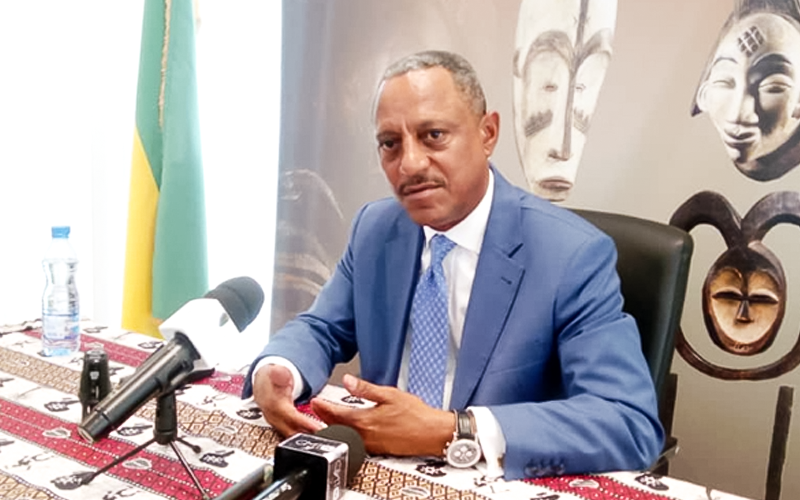
A s the political transition in Gabon was coming to an end, a substantial fund estimated at 10 billion CFA francs, intended to put the heavily impacted tourism sector back on its feet, is said to have disappeared without anyone being able to justify its use or its final destination. This exceptional envelope, consisting of a mix of public funds, contributions from Corporate Social Responsibility (CSR), and dividends distributed by hotels requisitioned during the crisis, was supposed to allow for a structured and ambitious recovery. However, no large-scale project or major infrastructure has materialized.

The only officially announced achievements are limited to two tourism caravans organized without major resources or promotion, far from the expected economic impact needed to relaunch a strategic sector. There is no clear indication of where these billions went, raising suspicions of mismanagement, or even misappropriation. This opacity not only compromises the confidence of financial partners and tourism stakeholders but also jeopardizes the economic recovery in a region where this sector remains a crucial lever.
The consequences are immediate: stagnation of the tourism sector, job losses, degradation of tourist sites due to lack of maintenance and investment, and the erosion of Gabon's attractiveness on the international stage. Faced with this situation, several measures are necessary to prevent such abuses from recurring: Necessary Transparency: Detailed publication of expenditures, independent and publicly accessible audits. Strengthening Control: Establishment of monitoring bodies including representatives from civil society and financial experts. Professional Management: Entrusting the management of funds to specialized entities in the sector, with clear planning, precise objectives, and a rigorous timeline. Stakeholder Engagement: Greater involvement of local actors, tourism professionals, and the population in the development and monitoring of projects. Exemplary Sanctions: Rigorous investigations and prosecution in case of identified malfeasance.
Without these urgent measures, Gabon risks not only missing a crucial opportunity to revitalize its economy but also reinforcing citizen mistrust towards public authorities. This scandal reveals once again the imperative of rigorous and transparent management of public funds to ensure sustainable and shared development.