



Is the Poultry Sector Revolution Underway in Gabon?
12 PROFESSIONS DIRECTLY IMPACTED BY THE BAN ON IMPORTING BROILER CHICKEN
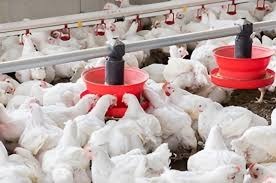
T he recent decision by the President of the Republic, H.E. Brice Clotaire Oligui Nguema, to ban the import of broiler chicken marks a major strategic step toward strengthening national sovereignty and food autonomy. This measure aims to support local production while boosting various economic sectors. Below is a detailed analysis of the 12 professions directly impacted by this decision.

1. Poultry Farmer As the core of local production, the farmer will see demand skyrocket due to the need to supply the national market. The development of intensive and extensive farming will be crucial to replace imported chicken, thus generating an increased need for technical skills and agricultural management. 2. Poultry Technician The rise in farming capacity requires rigorous professional supervision. The poultry technician ensures the health, nutrition, and reproduction of the poultry. Their role in disease prevention and optimizing production cycles becomes strategic.
3. Industrial Feeder and Poultry Feed Producer The increased demand for specialized poultry feed guarantees an expanded market for compound feed producers. Appropriate formulation (proteins, vitamins, minerals) is decisive for the quality and productivity of local poultry. 4. Veterinarian Specializing in Aviculture The guardian of animal health, the veterinarian intervenes to ensure healthy breeding, prevent epidemics, and guarantee the sanitary quality of local chicken. Regulatory oversight increases with expanding local production.
5. Poultry Farm Manager The operational management of farms, from personnel to logistics, sees its complexity increase. Coordination, cost control, and yield optimization will be key responsibilities to ensure profitability. 6. Transporter and Logistician The transport of live or slaughtered chicken to national markets requires adapted, rapid, and hygienic logistics. The transporter must master sanitary standards and the cold chain to limit quality loss.
7. Poultry Butcher With the boom in local production, the specialized butcher will see their volumes increase, requiring specific skills in cutting, preparation, and presentation to meet local demand. 8. Poultry Merchant and Retailer Present in markets, supermarkets, and points of sale, the merchant benefits directly from the substitution of imported products. They must manage sourcing, preservation, and commercialization.
9. Quality and Food Safety Inspector The control of sanitary standards, quality, and traceability becomes an essential step to ensure consumer confidence and comply with strict regulatory requirements. 10. Young Entrepreneur in Poultry Agro-Industry The ban encourages the creation of local processing units, such as cutting workshops, conditioning, and packaging. These businesses will drive the modernization of the sector.

11. Trainer in Poultry Trades To support this growth, the training of professionals is necessary. The trainer develops the technical and practical skills needed to meet the new demands of the sector. 12. Marketing and Commercialization Manager for Poultry Products To promote local chicken and win over consumers, this professional must develop adapted strategies, promote local quality, and strengthen brand awareness.
The ban on importing broiler chicken is much more than a protectionist measure. It reinvents a crucial national poultry sector and creates robust employment dynamics across an entire professional ecosystem. From the producer to the salesperson, including logistics and quality, every player is at the heart of this strategic transition.
The Ministry of Agriculture, Livestock, and Rural Development strongly encourages training, investment, and the structuring of these professions to sustainably support national food sovereignty.